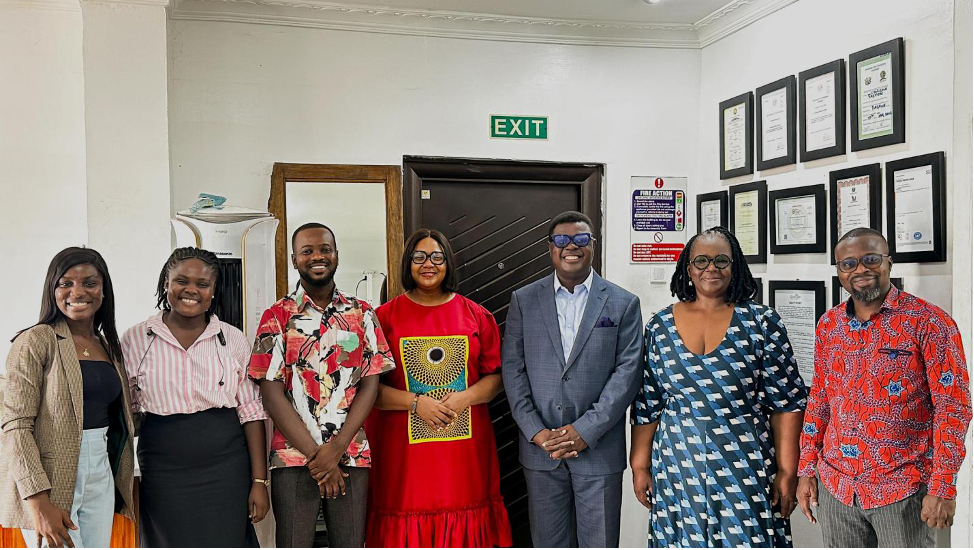
Africa Trade Academy Successfully Delivers AGAM Advocacy Strategy Consultancy
Between February and April 2026, Africa Trade Academy successfully conducted a strategic consultancy assignment for the Association of Ghana Apparel Manufacturers (AGAM) aimed at strengthening the association’s advocacy systems, institutional coordination, and stakeholder engagement capacity within Ghana’s growing Textiles and Garments (T&G) sector.
The consultancy was implemented under the strategic partnership between the Foreign Trade Association of German Retailers (AVE) and AGAM through the sequa Business Membership Organisation Partnerships (KVP) Programme, financed by the German Federal Ministry for Economic Cooperation and Development (BMZ).
In recent years, Ghana’s Textiles and Garments sector has gained increasing national relevance as a strategic driver of industrialisation, export development, and youth employment. As one of the few industrial sectors with strong labour absorption potential, the industry continues to attract growing attention from policymakers, development partners, and international stakeholders, creating greater demand for coordinated and effective industry representation.
Against this backdrop, the consultancy sought to support AGAM in strengthening its institutional role as a credible, coordinated, and evidence-driven representative body capable of engaging government institutions, development partners, and key industry stakeholders more strategically.
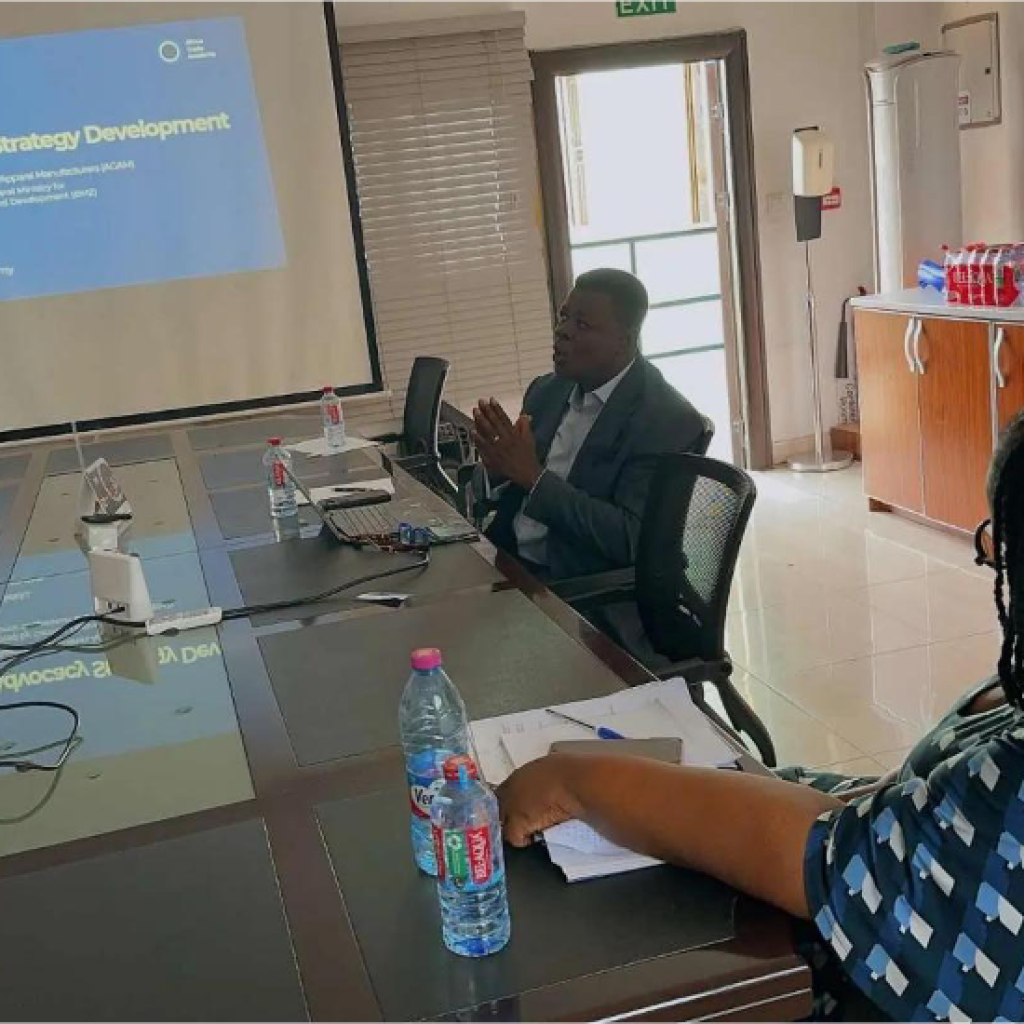
A major focus of the assignment was to ensure strategic continuity and local implementation of the lessons, insights, and action points generated during AGAM’s recent study mission to Germany. The consultancy therefore aimed not only to develop a formal advocacy framework, but also to translate international best practices into practical systems, processes, and action-oriented strategies suited to the Ghanaian context.
Throughout the engagement, the Africa Trade Academy team worked closely with AGAM through stakeholder consultations, member engagements, policy and institutional reviews, strategic workshops, and industry assessments to better understand the operating environment of Ghana’s apparel sector and identify priority advocacy areas affecting the industry.
The consultancy included a mapping of key national and international stakeholders relevant to the sector, an assessment of the legal and policy landscape, and consultations aimed at identifying institutional gaps, industry constraints, and opportunities for stronger engagement between the private sector, government, and development partners.
In addition, the assignment supported the development of core advocacy messages, stakeholder engagement structures, and internal coordination processes intended to strengthen AGAM’s institutional effectiveness, communication consistency, and strategic policy engagement.
A key outcome of the consultancy was the development of a comprehensive Advocacy Strategy alongside a practical 12-month Advocacy Action Plan designed to guide AGAM’s advocacy priorities, stakeholder engagement activities, and implementation efforts over the coming year.
The project also contributed to strengthening AGAM’s internal governance and advocacy coordination systems while helping establish a more structured foundation for long-term institutional engagement and industry representation.
This engagement reflects Africa Trade Academy’s broader commitment to supporting institutional development, trade competitiveness, and sustainable industrial growth across Africa through strategic advisory, research, and capacity-building initiatives.
As Ghana’s apparel industry continues to evolve within regional and global value chains, strong institutional advocacy and coordinated stakeholder engagement will remain essential to improving competitiveness, attracting investment, supporting job creation, and advancing the long-term growth of the sector.
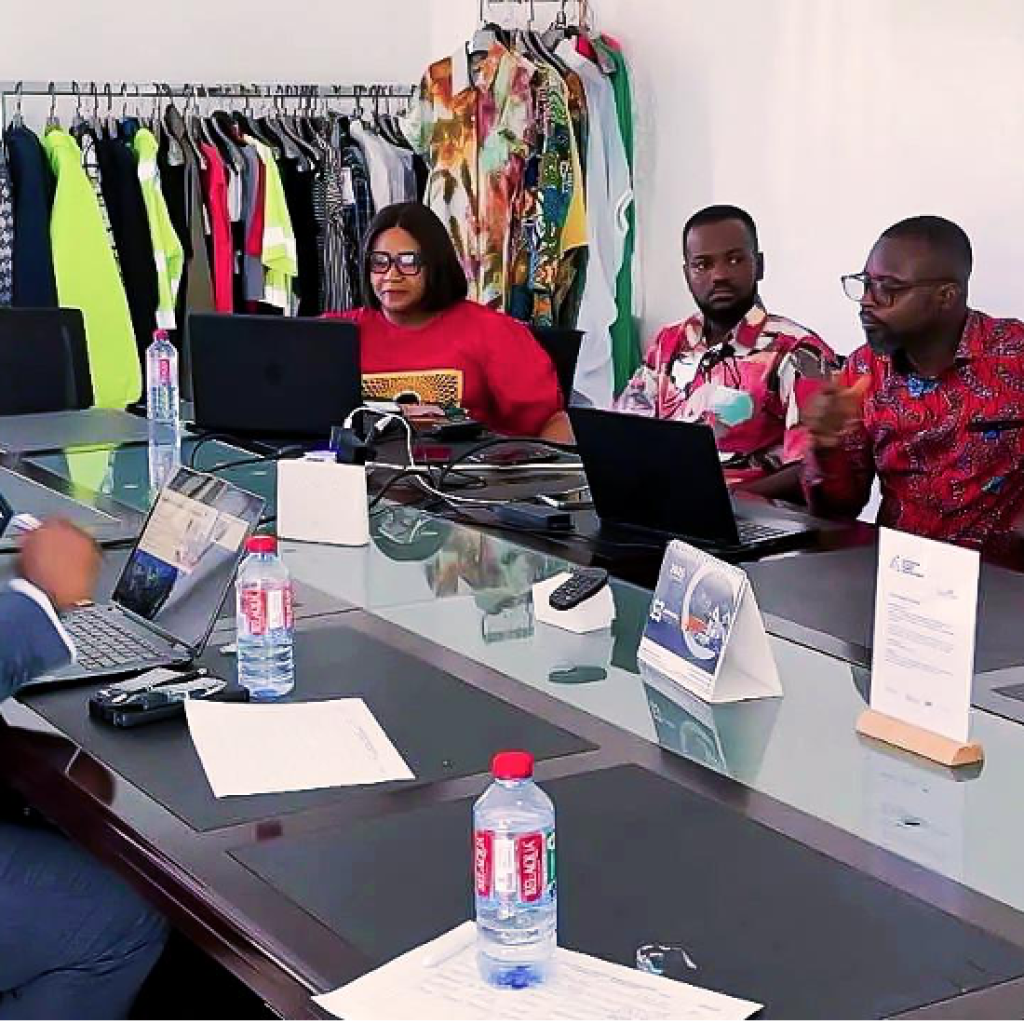
Africa Trade Academy is proud to have partnered with AGAM on this important initiative and to contribute to ongoing efforts aimed at strengthening Ghana’s Textiles and Garments industry both locally and internationally.