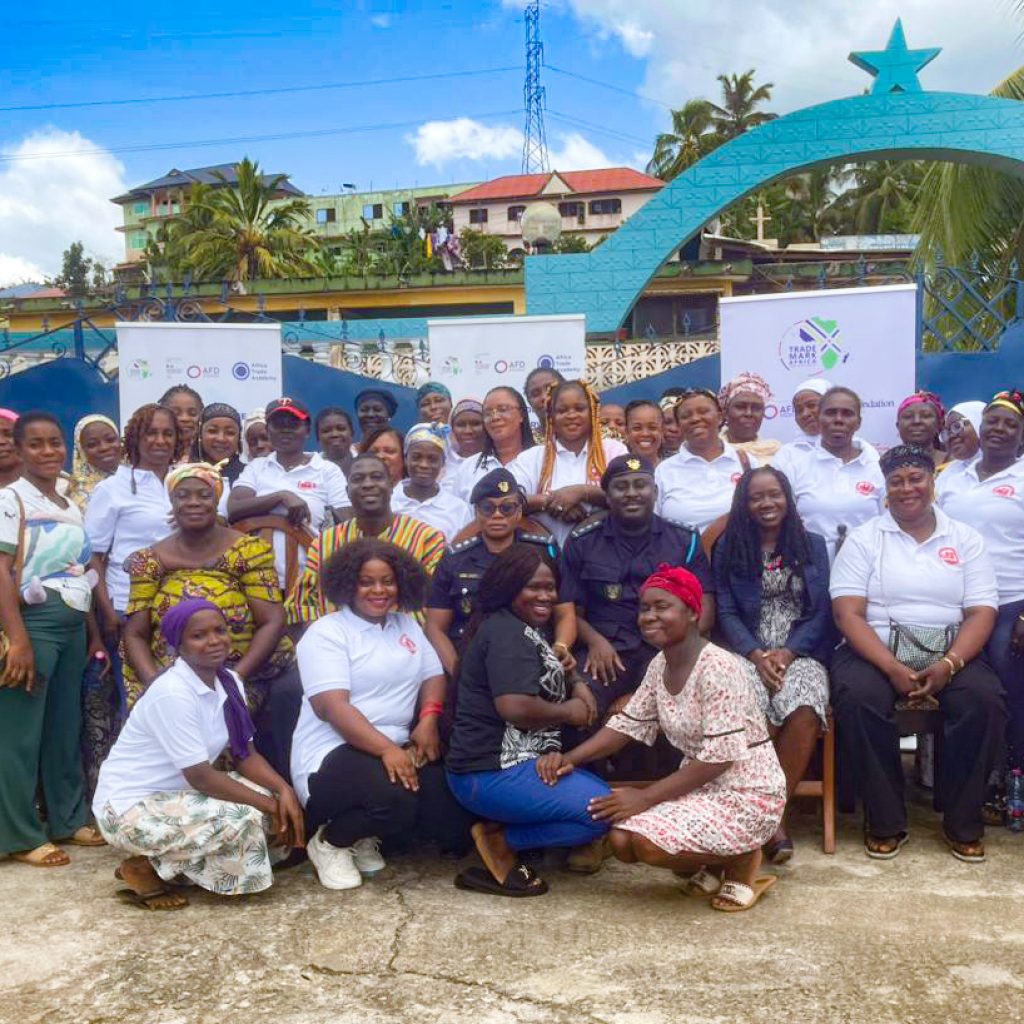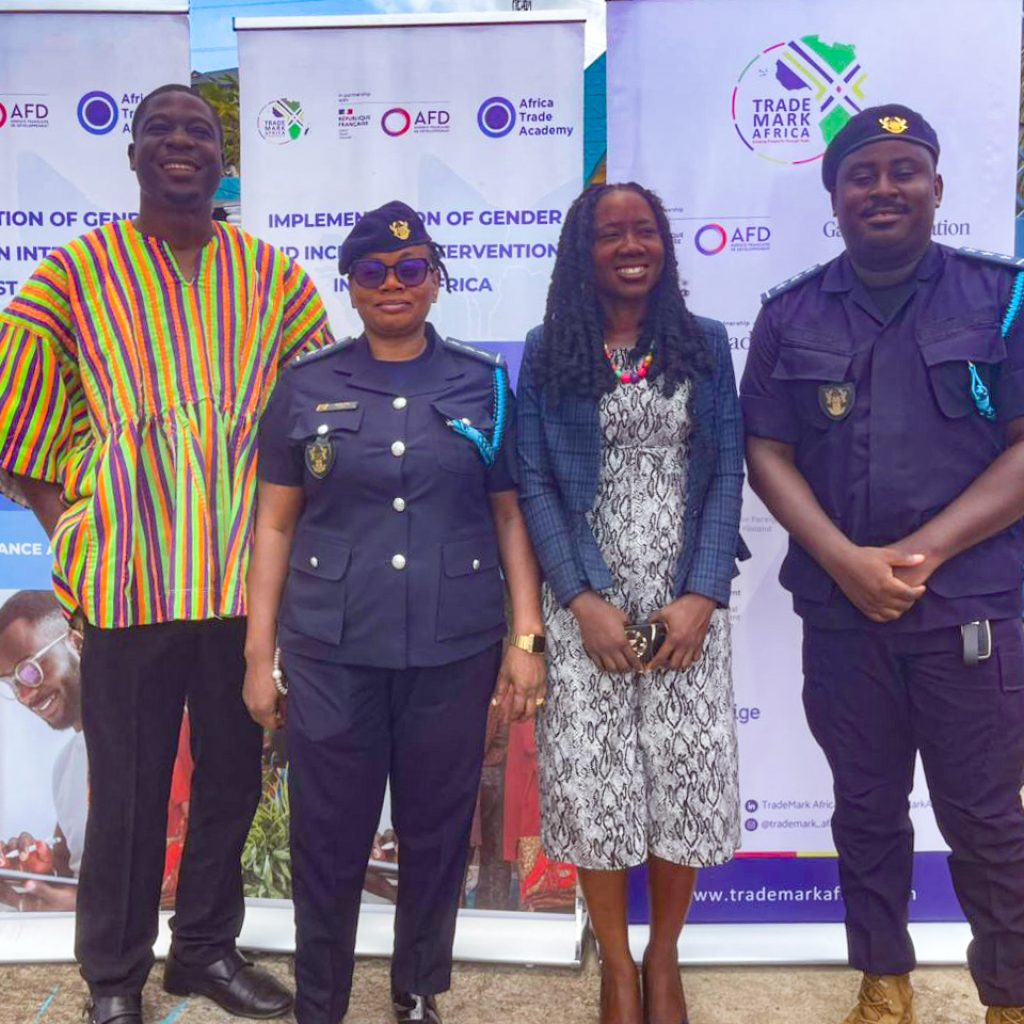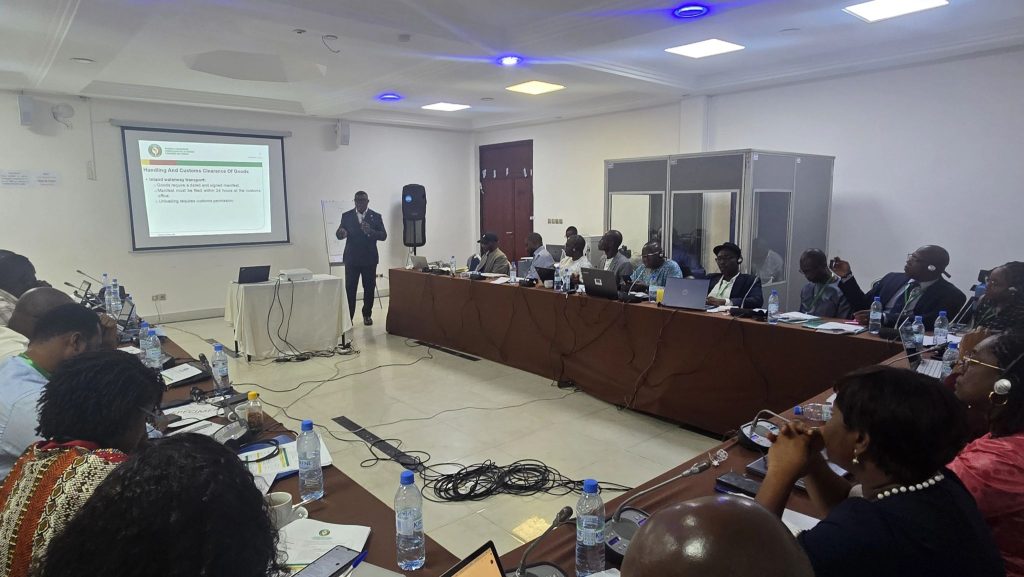
Africa Trade Academy trained 150 traders on the Simplified Trade Regime in Ghana. For decades, the bustling borders of Aflao, Dzodze, and Elubo were characterized by profound unease for small-scale cross-border traders, who faced daily uncertainty at the frontier. For the market women carrying yams from Dzodze, the spare parts dealers shuttling through Elubo, and the pepper merchants navigating Aflao, crossing a national frontier meant face a series of difficult and an unpleasant experience in quick succession of bureaucracy, unpredictable costs, and the constant threat of harassment. Without formal documentation, they faced confiscation of goods, arbitrary fines, and the indignity of being treated as smugglers rather than entrepreneurs.
Today, that painful narrative has changed. Through the Simplified Trade Regime (STR) implemented by the Africa Trade Academy (ATA) under the TradeMark Africa (TMA) project. Anchored by a singular, measurable achievement direct training of 150 small-scale cross-border traders this initiative is transforming informal trade into a dignified, legal, and profitable economic activity.
The Simplified Trade Regime is an innovative framework designed specifically for Micro, Small, and Medium Enterprises (MSMEs) traders who cannot afford the complex paperwork, customs bonds and legal fees required for large commercial imports. The STR replaces voluminous customs declarations with a single, simplified form and offers duty-free entry for a list of qualifying goods valued below a specific threshold. For years, informal trade thrived across West Africa because the formal system was simply too expensive, and too slow. The STR bridges that gap by making legality simple, fast, and accessible. This is precisely where the Africa Trade Academy and TradeMark Africa intervened. TradeMark Africa, a donor-funded organization committed to prosperous and inclusive trade, partnered with the Africa Trade Academy, a specialist institution in trade capacity building to design targeted, hands-on training and facilitate the training of these small-scale cross border traders. This was a deliberate commitment to practical, hands-on empowerment delivered at the very gates where trade occurs. The Africa Trade Academy deployed trainers to three strategic border posts: Aflao, Dzodze and Elubo. At each location, 50 traders were selected for intensive training, bringing the total to 150.
The curriculum focused on four core areas: the legal framework of the STR, correct completion of the Simplified Certificate of Origin, understanding duty-free product lists. The training was delivered in local languages, using real-life scenarios and mock border crossings. Role-playing exercises allowed traders to practice interactions with customs officers. Traders faced long delays due to manual paperwork errors. A single mistake on a handwritten form could mean a full day of waiting, during which perishable goods like fresh yams would begin to spoil.
The western border of Elubo, linking Ghana to Côte d’Ivoire, is dominated by female traders dealing in processed foods, textiles, and household goods. Africa Trade Academy deliberately tailored the training to address their specific vulnerabilities including lack of collateral for loans, lower literacy rates, and higher susceptibility to extortion.
Beyond logistics, the training included negotiation skills with customs brokers and border officials. Women learned how to present their STR documents confidently, how to challenge incorrect demands, and how to organize themselves into small cooperatives for mutual support.
The work done by the Africa Trade Academy under the TradeMark Africa project offers a critical lesson. Trade agreements between capitals mean nothing if they do not reach the market stalls and border posts where real commerce happens. TradeMark Africa and the Africa Trade Academy are now scaling this model, confident that 150 empowered traders can legitimize entire supply chains across West Africa.