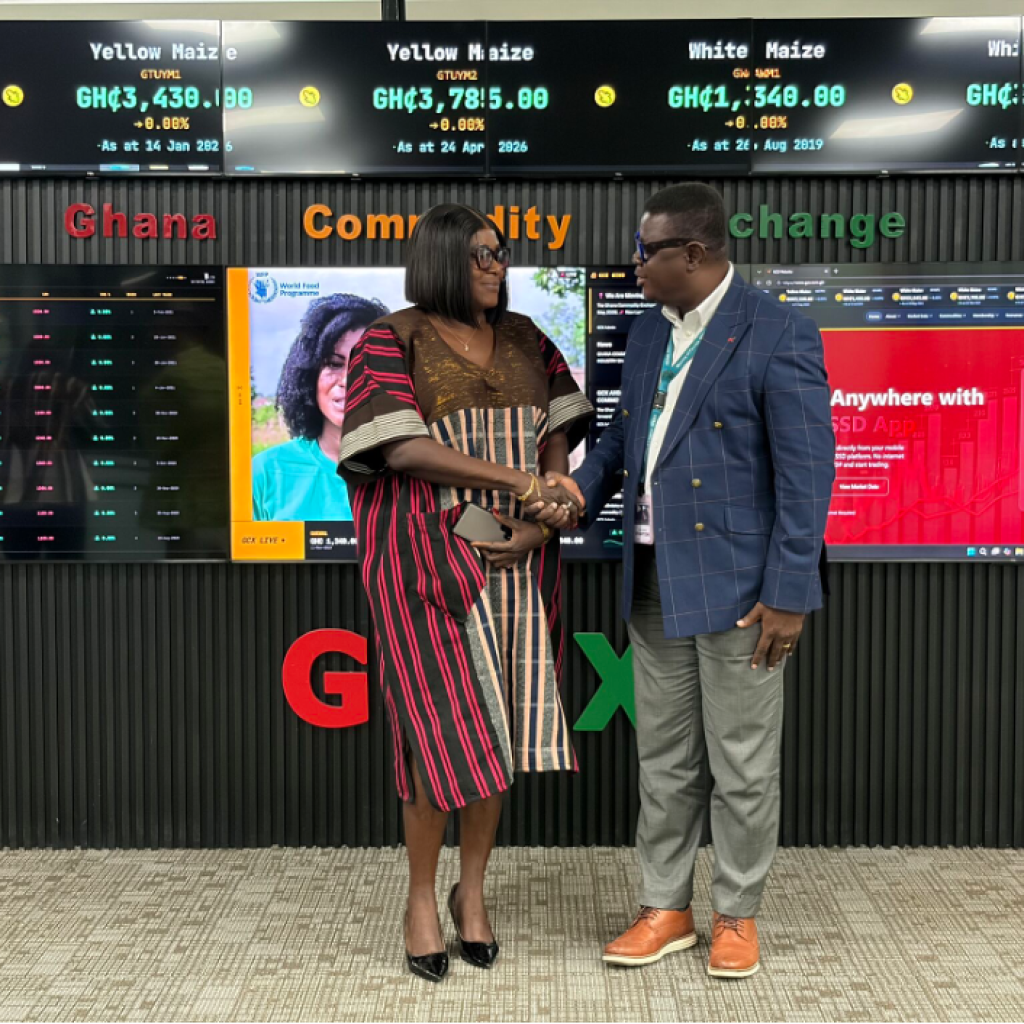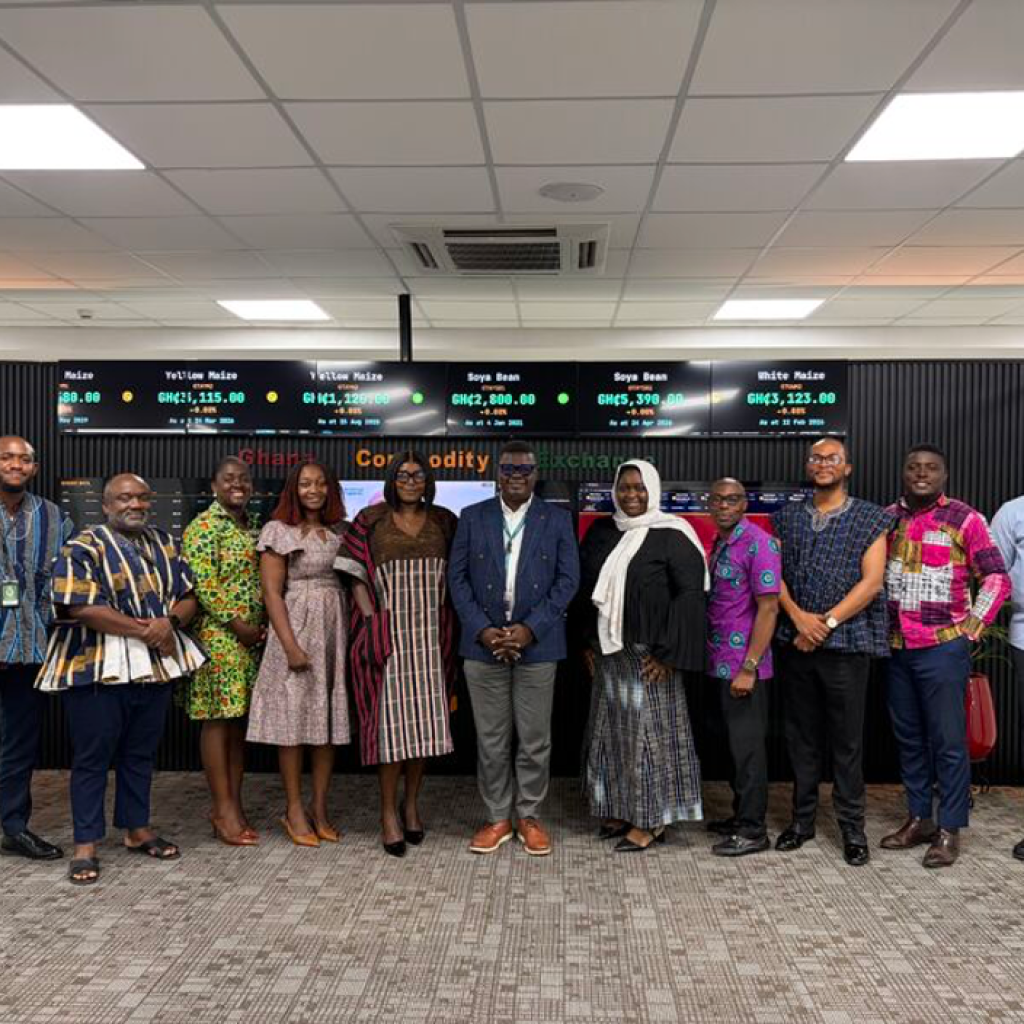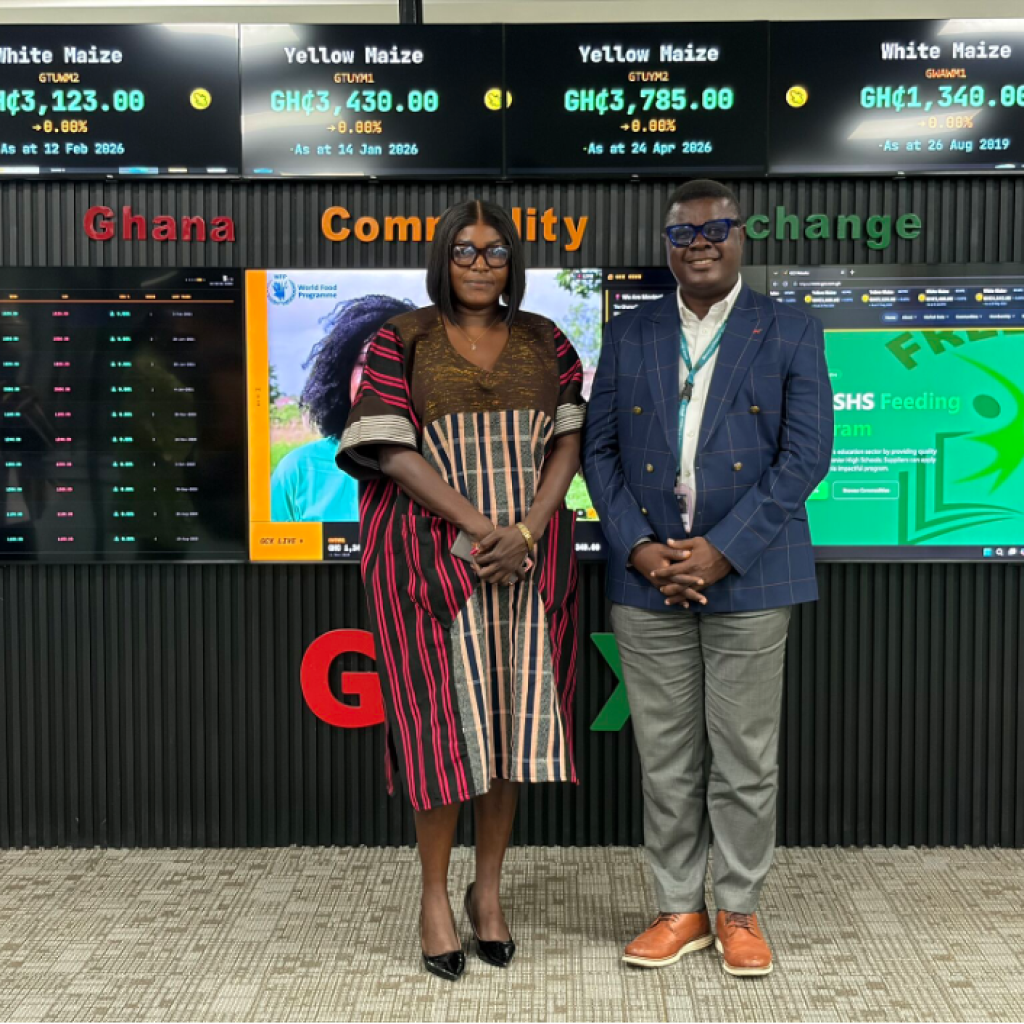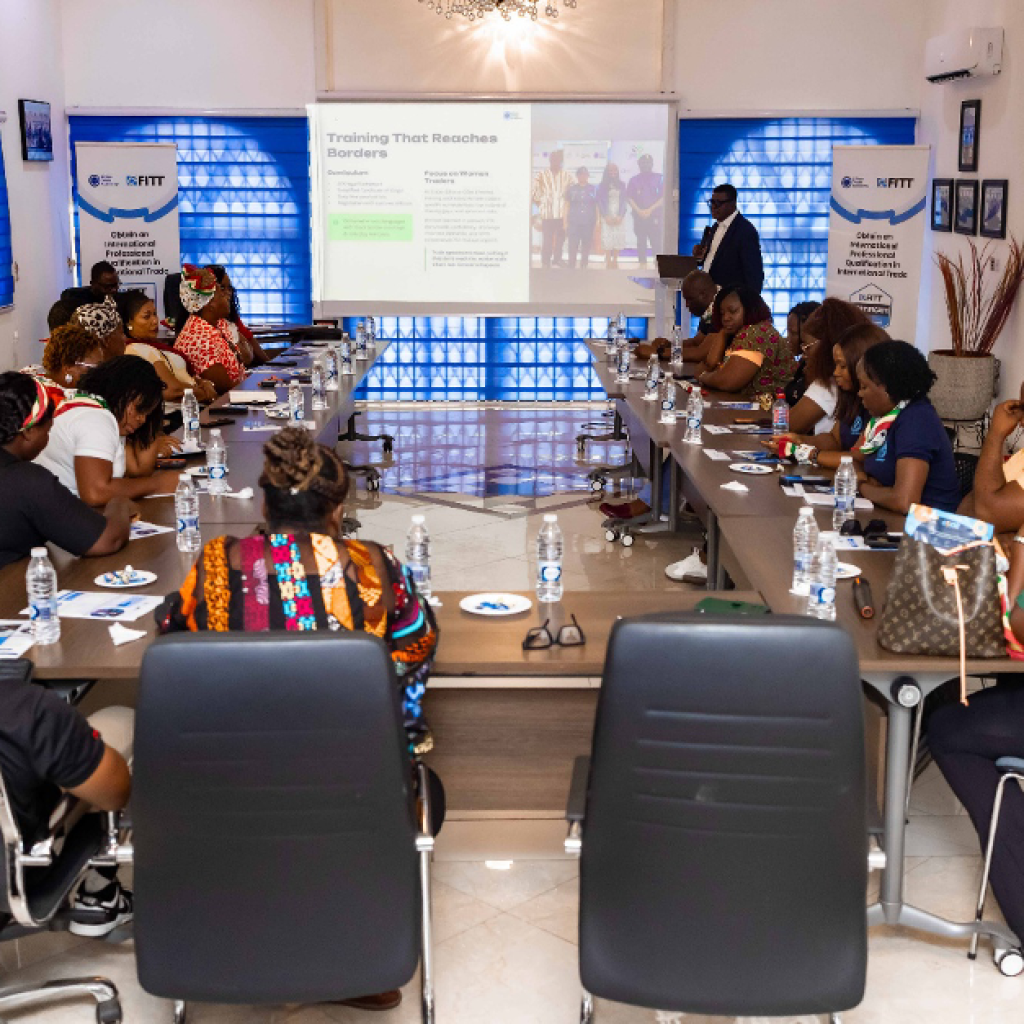
Accra, Ghana, 15 July 2026-Africa Trade Academy conducted an immersive training and strategic review programme for the management of Ghana Commodity Exchange (GCX) to enhance the organization’s participation and utilization of regional and continental trade frameworks.
The training and strategic review programme was opened by Ms. Evelyn Abakah, Chief Executive of GCX and had in attendance Ms. Ophelia Martekuo Atoklo, Deputy Chief Executive, and other management members of the exchange. The programme was aimed at positioning the Ghana Commodity Exchange for Regional and Global Agricultural Trade by leveraging global and continental trade opportunities while taking into consideration global geopolitics.
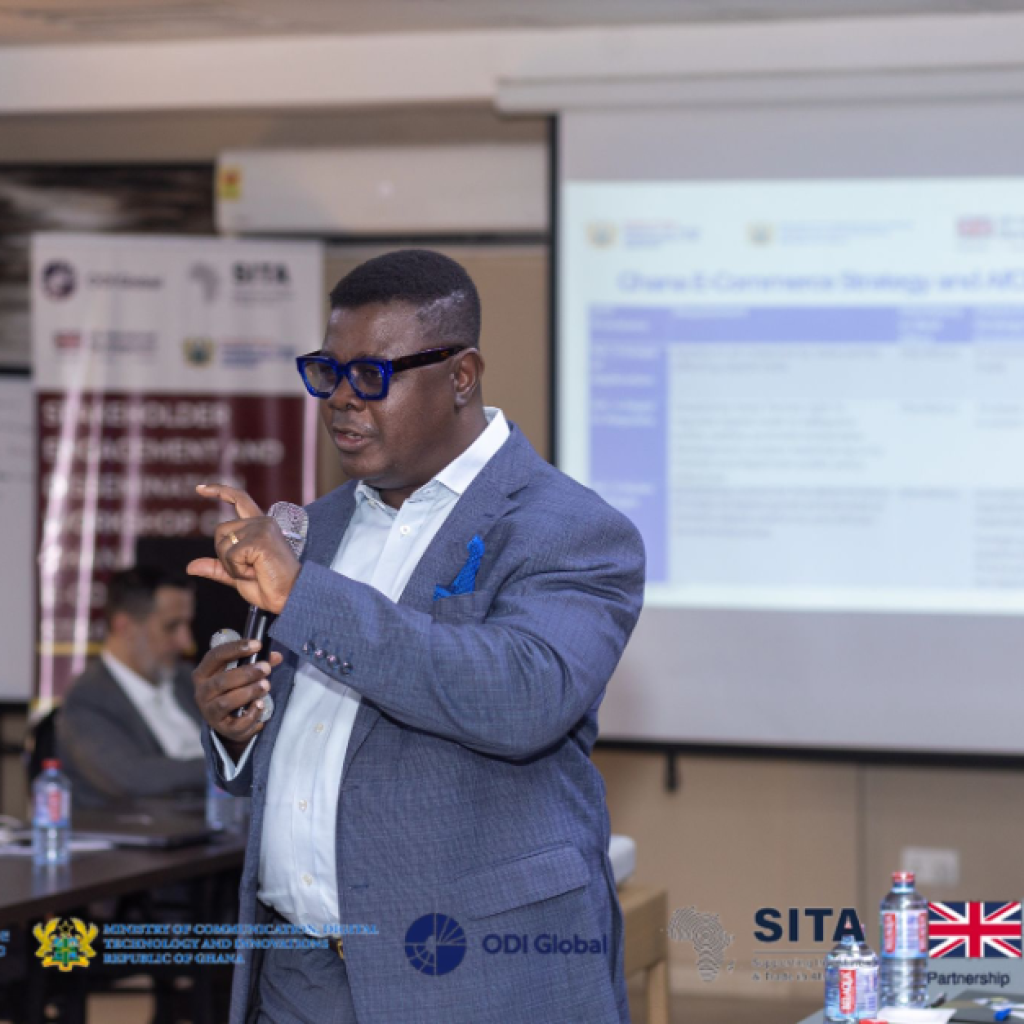
The sessions, facilitated by the Academy’s Chief Executive, focused on strategic pathways that will move the GCX from domestic exchange to export-market infrastructure and discussed key international-trade issues affecting exchange-traded commodities. Opportunities and challenges under regional and continental trade frameworks such as the ECOWAS Trade Liberalization (ETLS) and the Africa Continental Free Trade Area were explored focusing on leveraging the Africa Commodity Exchanges (ACX) Platform.
Discussions also explored market opportunities for commodities trade into the United States under Africa Growth and Opportunities Act (AGOA) and the European Union taking into consideration the EU Deforestation Regulation (EUDR) for agro-commodities-soyabeans, palm oil, cocoa, rubber and coffee. The meeting further explored how commodity exports from Ghana could take advantage China’s duty-free quota-free trade policy.
The sessions provided valuable insights into international trade processes, market access, and trade facilitation, reinforcing GCX’s commitment to strengthening institutional capacity and advancing efficient, competitive, and sustainable commodity markets.
GCX was established in 2018 to have a regulated market that links buyers and sellers of commodities to trade by rules, while ensuring market quantity and quality, timely delivery and settlement. The exchange initially traded in yellow and white maize, and expanded to include soybeans, sorghum, sesame, milled rice, and cashews. The exchange has contributed to structuring agro-commodities trading in Ghana. Between 2018 and 2022, trade volumes rose from 100 metric tonnes to over 5,500 metric tonnes, with a total trade value exceeding GHS 31.3 million.